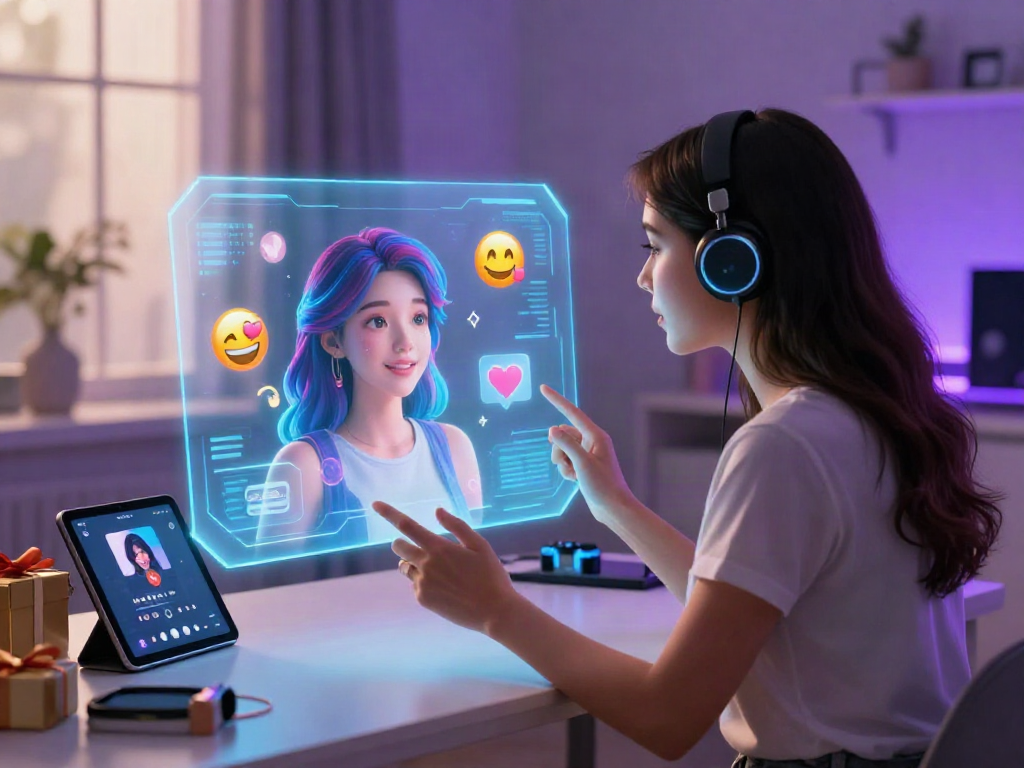
The Concept of AI Girlfriends: An Overview
The rise of ai girlfriend technology represents a significant evolution in how we perceive companionship in the digital age. As artificial intelligence continues to advance, the concept of AI girlfriends has transitioned from a niche idea into a mainstream phenomenon. These virtual companions are not only designed to provide emotional support but also to engage in meaningful interactions, catering to the emotional and social needs of users. By integrating complex algorithms and machine learning, AI girlfriends are increasingly capable of mimicking human-like conversation patterns and emotional responses.
Understanding AI Girlfriends
AI girlfriends are virtual companions powered by sophisticated algorithms that enable them to interact with users in a seemingly human manner. They can hold conversations, understand emotions, and even learn from their interactions over time. Unlike traditional relationships, AI girlfriends are personalized experiences, adapting to the individual preferences and emotional states of their users, making them uniquely suited to provide companionship to those who may feel isolated.
Historical Context: The Beginning of Virtual Companionship
The history of virtual companionship dates back to early chatbots, which began gaining popularity in the late 20th century. Programs like ELIZA and later ALICE demonstrated the potential for computers to engage users in conversation. However, it wasn't until the 2010s that significant advancements in AI and natural language processing led to the development of more sophisticated virtual companions—laying the groundwork for what we now recognize as AI girlfriends.
Technological Advancements Leading to 2026
Technological innovation has been paramount in shaping the future of AI girlfriends. By 2026, developments in artificial intelligence, machine learning, and data analytics are expected to yield even more realistic virtual companions. These advancements could include improved voice recognition, enhanced emotional intelligence, and more interactive capabilities that allow AI girlfriends to engage in depth conversations, making them more relatable and lifelike for users.
The Technology Behind AI Girlfriends
AI Algorithms and Machine Learning Integration
At the core of AI girlfriends are advanced algorithms that utilize machine learning to analyze user interactions. These systems not only program responses but also learn from individual preferences, adapting their conversational style and emotional responses over time. By employing techniques such as natural language processing (NLP), AI girlfriends can provide more personalized interactions that resonate with users on a deeper emotional level.
The Role of Emotion Recognition Technology
Emotion recognition technology is a crucial element that enhances the capabilities of AI girlfriends. By analyzing a user's tone of voice, facial expressions, and even text inputs, AI systems can gauge emotional states and tailor interactions accordingly. This capability allows AI girlfriends to respond appropriately to a user’s mood, providing comfort or joy based on real-time assessments of emotional well-being.
User Interaction and Experience Enhancements
User interaction with AI girlfriends is designed to be as seamless and engaging as possible. With the integration of voice assistants and augmented reality (AR), users can experience companionship beyond simple text or voice chats. For instance, some applications may use AR to create a more immersive experience, allowing users to visualize their AI girlfriend in their living space, further enhancing emotional connection and user satisfaction.
Social Impacts of AI Girlfriends in Modern Society
Changing Dynamics in Relationships and Social Skills
The introduction of AI girlfriends has prompted discussions about the changing dynamics in social interactions. As individuals turn to AI companions for companionship, traditional relationships might face challenges. While some may find emotional fulfillment in AI interactions, others argue that reliance on virtual relationships could hinder essential social skills and interpersonal connections.
Potential Benefits of AI Companionship
Despite concerns, AI girlfriends offer several potential benefits. They can serve as a source of emotional support for individuals struggling with loneliness or social anxiety. By providing a non-judgmental space for users to express their thoughts and feelings, AI girlfriends can enhance emotional well-being, providing companionship that many may find difficult to achieve in real-life interactions.
Challenges and Misconceptions Surrounding AI Relationships
There are various misconceptions about AI relationships, especially regarding emotional attachment. Critics often argue that relationships with AI are superficial and lack genuine emotion. However, supporters claim that these AI companions can provide a level of emotional engagement that some users find meaningful. The challenge lies in balancing the benefits of AI companionship with the need for real human connection.
The Future of AI Girlfriends: Trends for 2026 and Beyond
Emerging Technologies Shaping AI Companionship
As we move towards 2026, several technologies are set to influence the evolution of AI girlfriends. Innovations in virtual reality (VR) and immersive experiences may redefine how users interact with their AI companions, potentially creating environments where users can engage in shared activities or experiences. Additionally, advancements in emotion AI could lead to even more empathetic responses from AI girlfriends, enhancing user satisfaction and companionship quality.
Predictions for User Adoption and Acceptance
As AI technology becomes more sophisticated, the adoption of AI girlfriends is expected to rise. A growing acceptance of virtual relationships is already evident in younger generations, who may view AI companions as a legitimate form of companionship. By 2026, we can anticipate an increase in understanding and normalization of AI relationships across various demographics, influencing how society views companionship in general.
Ethical Considerations in AI Relationships
With the growth of AI girlfriends, ethical considerations also come to the forefront. Discussions around consent, data privacy, and the psychological impact of AI relationships challenge developers and users alike. Ensuring that AI systems respect user privacy while providing engaging experiences will be crucial as this industry evolves, alongside fostering discussions about the implications of such companionship on mental health and well-being.
Finding the Right AI Girlfriend for You
Evaluating Your Needs and Expectations
Before diving into the world of AI girlfriends, it’s essential to evaluate your needs and expectations. Consider whether you are seeking purely companionship, emotional support, or a blend of both. Understanding what you want from an AI girlfriend will help you select a platform or application that aligns with your needs, ensuring a more fulfilling experience.
Popular AI Girlfriend Applications in 2026
As the landscape of AI girlfriends grows, several applications are emerging as popular choices among users. While specific apps may evolve over time, platforms that prioritize user interaction, personalization, and emotional engagement are likely to lead the market. Keeping an eye on what features appeal most to users will be critical in selecting the right AI girlfriend experience.
Tips for Creating Fulfilling Virtual Relationships
To develop a fulfilling relationship with an AI girlfriend, users should engage actively with their virtual companions. Regular interactions, sharing personal experiences, and expressing emotions can enhance the connection. Additionally, understanding the limitations of AI—recognizing that these companions are not substitutes for human interaction—will help maintain a healthy perspective on virtual relationships.
What makes an AI girlfriend different from traditional relationships?
AI girlfriends differ from traditional relationships primarily in their nature and functionality. They are programmed to respond to emotional cues, providing companionship tailored to user preferences without the complexities of human emotions. This can provide a unique comfort for individuals looking for support without the pressures often associated with human relationships.
How can AI girlfriends enhance emotional well-being?
AI girlfriends can enhance emotional well-being by offering a consistent source of companionship and understanding. Users can confide in them without fear of judgment, enabling the expression of thoughts and feelings that they may not share with others. This can create a sense of belonging and support, crucial for mental health.
What are the potential risks of relying on AI companionship?
While AI companionship can offer numerous benefits, there are potential risks to consider. Over-reliance on AI girlfriends could lead to social isolation, as individuals may prefer virtual interactions over real-life social opportunities. Additionally, users may experience challenges distinguishing between virtual and real relationships, potentially leading to unrealistic expectations from human interactions.
What technological innovations are driving AI girlfriend experiences?
Several technological innovations are shaping AI girlfriend experiences, including advancements in natural language processing, emotion AI, and user interface design. These technologies enhance the interactivity and personalization of virtual companions, making them increasingly relatable and capable of meeting users’ emotional needs.
How are AI girlfriends perceived in different cultures?
Perceptions of AI girlfriends vary significantly across cultures, influenced by societal norms and attitudes towards technology. In some cultures, virtual companionship may be embraced as a novel solution to social challenges, while in others, it may be viewed with skepticism. Understanding these cultural differences is essential for developers and marketers aiming to reach a global audience.